

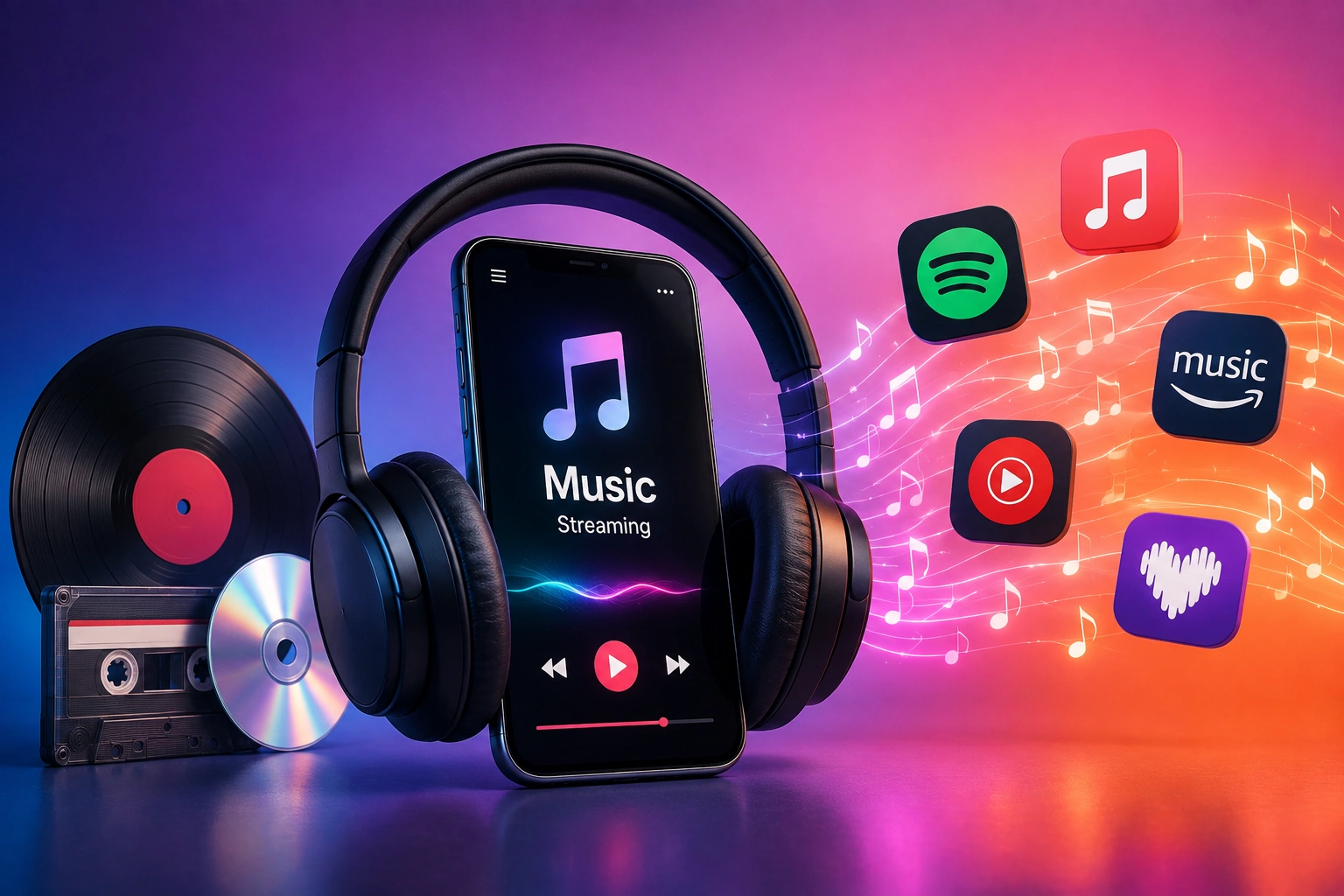
Music has always evolved alongside technology. From vinyl records and cassette tapes to CDs and digital downloads, every generation has experienced changes in how music is created, purchased, and enjoyed. The rise of music streaming has produced one of the biggest transformations yet. Streaming services have made millions of songs available almost instantly, changing listening habits, music discovery, artist promotion, and the economics of the music industry.
Instant Access to Millions of Songs
One of the biggest advantages of music streaming is accessibility. Instead of purchasing individual albums or downloading songs, listeners can access enormous music libraries through an internet-connected device.
This has changed the concept of music ownership. People no longer need shelves filled with physical albums or large collections of downloaded files. A smartphone, computer, or compatible speaker can provide access to a vast selection of music.
For listeners, this means discovering an unfamiliar artist or exploring an entirely different genre can take only a few taps.
Changing Listening Habits
Streaming has also changed how people listen to music. Traditional albums encouraged listeners to purchase and play a specific collection of songs. Streaming makes it easy to create personalized playlists containing music from different artists and genres.
Listeners can choose playlists based on mood, activity, location, or time of day. There are playlists for studying, exercising, relaxing, traveling, parties, and countless other situations.
This has made music more flexible and personalized than ever before.
Music Discovery Has Become Easier
In the past, discovering new music often depended on radio stations, music television, friends, record stores, or recommendations from music publications. Streaming platforms now use algorithms and curated playlists to recommend songs based on listening behavior.
A person who listens to a particular artist may automatically receive recommendations for similar performers. This can introduce listeners to musicians they might never have encountered otherwise.
At the same time, algorithms can influence which artists receive greater exposure, making playlist placement increasingly important.
The Rise of Personalized Playlists
Personalized playlists have become a defining feature of streaming. Platforms can analyze listening patterns and generate collections designed around individual preferences.
This creates a listening experience that feels different for every user. Two people using the same service may receive very different recommendations.
Personalized playlists also encourage listeners to explore music beyond their usual favorites, although users may sometimes become concentrated around familiar genres or styles.
Greater Opportunities for Independent Artists
Streaming has lowered some barriers for musicians seeking audiences. Artists can distribute music digitally and potentially reach listeners around the world without depending entirely on traditional physical distribution.
Social media and streaming can work together to help emerging musicians build audiences. A song that gains attention online can potentially reach listeners in many countries.
However, competition is also intense. With enormous amounts of music being released, getting noticed can be difficult.
Changes in the Music Industry
Streaming has significantly changed the business model of music. Instead of relying primarily on physical album sales or individual downloads, the industry increasingly operates around ongoing digital consumption.
Artists, record labels, producers, and other professionals have had to adapt their strategies to this environment. Touring, merchandise, licensing, digital promotion, and other revenue sources can play important roles alongside streaming income.
The Social Side of Music
Streaming has also made music more shareable. People can quickly send songs and playlists to friends or post recommendations online.
Music can therefore become part of digital conversations and communities. Fans can discuss new releases, create themed playlists, and discover artists together.
The Future of Music Listening
Music streaming has made listening more convenient, personalized, and global. It has reduced the importance of physical collections while increasing the role of digital discovery and algorithmic recommendations.
Although technology will continue to evolve, the basic appeal remains simple: listeners want easy access to music they enjoy and opportunities to discover something new. Streaming has transformed that experience by putting an enormous musical library within reach and changing the relationship between listeners, artists, and the music industry.