

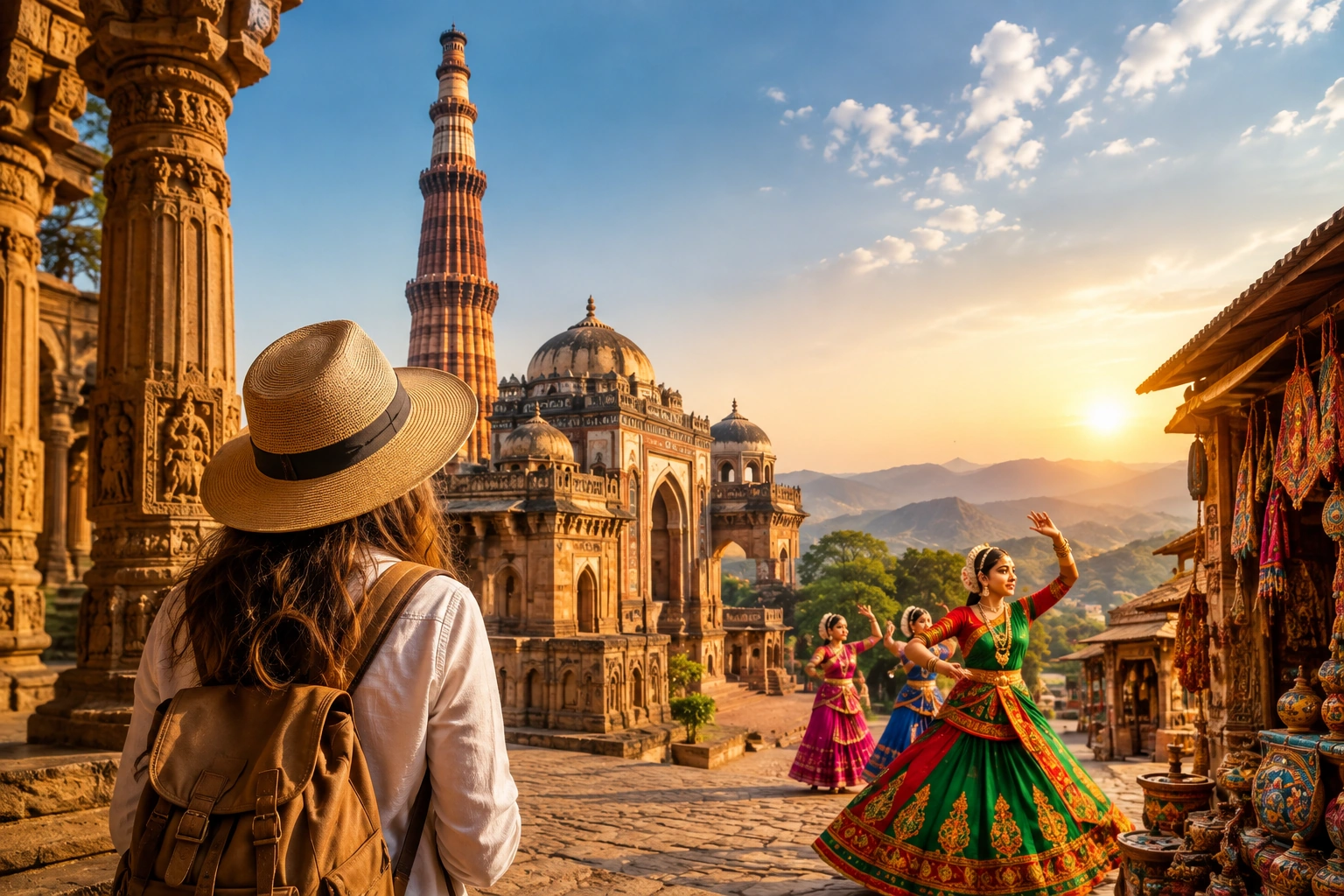
Travel has traditionally been associated with sightseeing, relaxation, and entertainment, but many modern travelers are increasingly interested in understanding the culture of the places they visit. This growing interest has contributed to the rise of cultural tourism. Instead of simply visiting famous attractions, travelers seek opportunities to experience local traditions, cuisine, history, art, music, architecture, and everyday life.
Cultural tourism can create meaningful experiences for visitors while providing economic opportunities for communities and encouraging the preservation of cultural heritage.
What Is Cultural Tourism?
Cultural tourism involves traveling to experience and learn about the cultural characteristics of a destination. These characteristics can include historical landmarks, museums, festivals, traditional food, crafts, performing arts, religious architecture, local customs, and community traditions.
Unlike tourism focused primarily on relaxation, cultural travel often emphasizes learning and interaction. Visitors may participate in cooking classes, attend cultural festivals, explore historic neighborhoods, visit museums, or learn traditional crafts from local practitioners.
Growing Interest in Authentic Experiences
One reason cultural tourism is becoming increasingly popular is the demand for authentic experiences. Travelers often want more than photographs of famous landmarks. They want to understand how local people live, eat, celebrate, create art, and preserve traditions.
This has encouraged tourism businesses to develop experiences that connect visitors more directly with local communities.
For example, travelers may choose a locally guided walking tour instead of a standard sightseeing route or visit a family-owned restaurant to experience regional cuisine.
Food as a Cultural Experience
Food plays a major role in cultural tourism. Local dishes can reveal information about a destination’s history, geography, traditions, and influences.
Food tours, cooking classes, local markets, and traditional restaurants allow visitors to experience culture through taste. Regional ingredients and preparation methods can become memorable parts of a trip.
Supporting local food businesses can also help tourism spending reach communities directly.
Festivals and Traditional Events
Cultural festivals attract visitors interested in music, dance, art, food, and traditional celebrations. These events provide opportunities for communities to share their heritage while creating memorable experiences for travelers.
However, visitors should participate respectfully. Understanding local customs and following appropriate behavior can help ensure that cultural events remain meaningful to the communities hosting them.
Supporting Local Economies
Cultural tourism can generate income for local guides, artisans, restaurants, accommodation providers, performers, museums, and other community businesses.
When visitors purchase locally made products or hire local service providers, tourism revenue can reach residents directly. This can create employment opportunities and encourage communities to preserve cultural practices that might otherwise decline.
Preserving Heritage
Tourism can contribute to the preservation of historical and cultural resources by generating revenue for museums, heritage sites, restoration projects, and traditional arts.
When cultural traditions become economically valuable in responsible ways, younger generations may have greater incentives to learn and continue them.
However, preservation should remain community-centered. Cultural practices should not be changed solely to satisfy tourist expectations.
Technology and Cultural Discovery
Digital technology has made cultural destinations easier to discover. Travelers can research local traditions, museums, festivals, restaurants, and historic locations before arriving.
Social media can also introduce audiences to lesser-known destinations and cultural experiences. At the same time, popular online content can contribute to overcrowding, so responsible travel remains important.
The Importance of Responsible Cultural Tourism
Cultural tourism can have negative effects if visitors behave disrespectfully or communities become overly dependent on tourism. Commercialization, overcrowding, and inappropriate photography can create problems.
Responsible travelers should learn about local customs, respect sacred or sensitive locations, ask permission before photographing people, and avoid treating cultural traditions as spectacles.
Choosing locally owned businesses and experiences can also support more sustainable tourism.
The Future of Cultural Tourism
The rise of cultural tourism reflects a broader change in how people think about travel. Increasingly, visitors want experiences that are educational, personal, and connected to local communities.
As destinations develop their tourism industries, cultural experiences are likely to remain an important part of the travel economy. The most successful approach will balance visitor interest with community needs and cultural preservation.
Ultimately, cultural tourism can make travel more meaningful by encouraging people to look beyond attractions and develop a deeper appreciation for the history, traditions, creativity, and everyday life of the places they visit.