

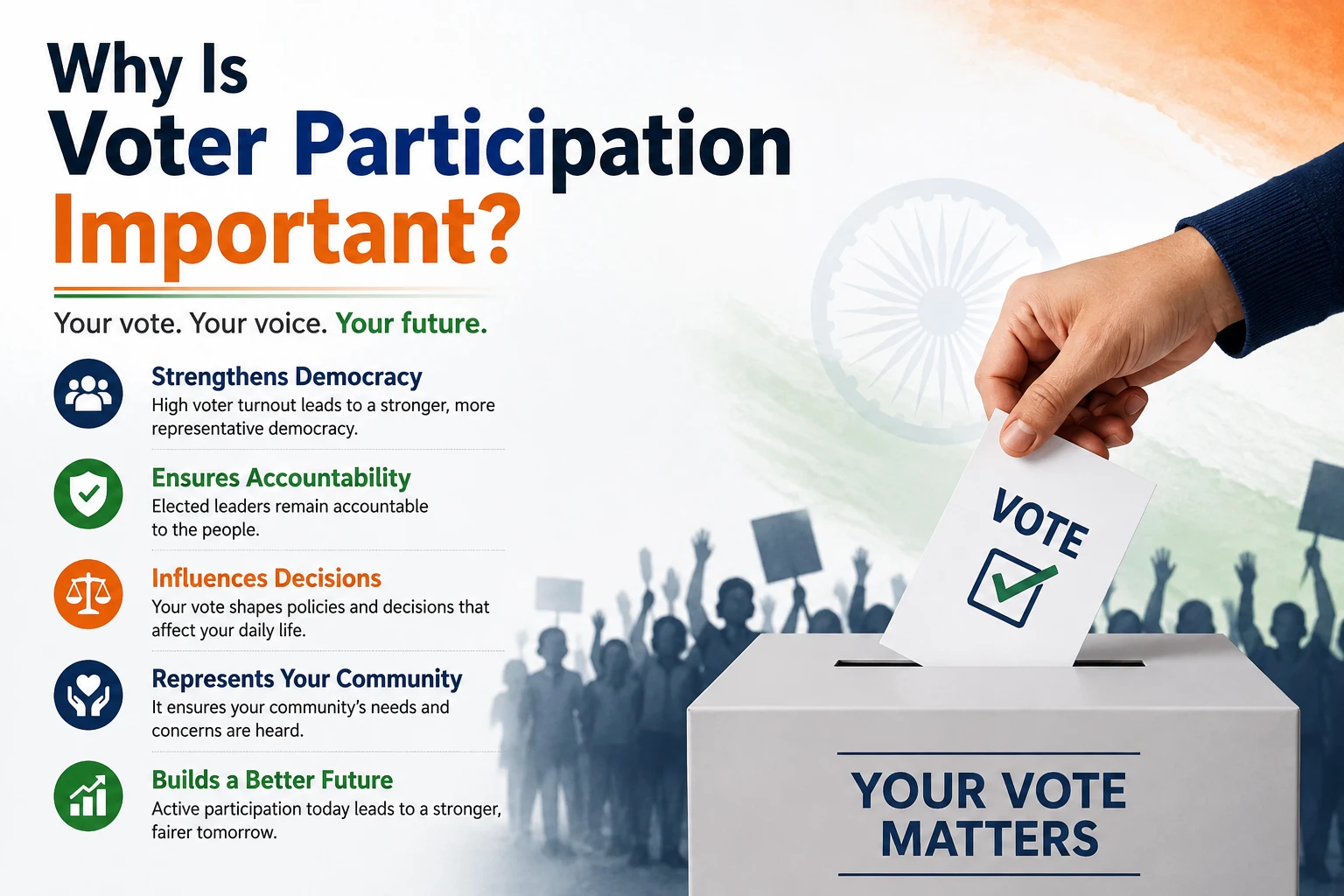
Voter participation is a fundamental part of a functioning democracy. Elections allow citizens to choose representatives, influence public policy, and express their views about the direction of their communities and countries. When people participate in elections, they contribute to decisions that can affect education, healthcare, taxation, infrastructure, employment, public services, and many other areas of everyday life. Understanding why voter participation is important can encourage more people to become informed and involved in the democratic process.
Giving Citizens a Voice
One of the most important purposes of voting is giving citizens a direct way to express their preferences. In a representative democracy, voters select individuals who will make decisions on their behalf.
Every eligible voter may have different priorities. Some may care most about economic opportunities, while others may focus on education, environmental issues, public safety, healthcare, or local development. Voting provides a formal way for citizens to communicate which issues and candidates they support.
When people do not participate, their preferences are less likely to be reflected in election outcomes.
Strengthening Democratic Representation
High voter participation can contribute to broader representation. When people from different communities, age groups, income levels, and backgrounds participate in elections, elected institutions may better reflect the population they serve.
Low participation can create a situation where election results are shaped primarily by the people who vote regularly. Encouraging wider participation can therefore help ensure that a larger portion of society has a role in determining political leadership.
Holding Leaders Accountable
Elections provide citizens with an opportunity to evaluate political leaders and their performance. Voters can consider whether elected officials have fulfilled their promises, addressed important problems, and represented their constituents effectively.
Voting can therefore function as a form of accountability. Leaders who know that citizens will evaluate their performance at future elections have an incentive to remain responsive to public concerns.
Influencing Public Policy
Voting is not only about selecting individuals. Elections can influence the policies and priorities that governments pursue.
Political parties and candidates often present different approaches to economic development, public services, infrastructure, education, taxation, and other issues. By choosing among these alternatives, voters can influence the direction of government policy.
Even when an individual vote does not determine an election outcome by itself, collective participation can have a significant effect.
Encouraging Civic Engagement
Voting can encourage people to become more interested in public affairs. Preparing to vote may involve learning about candidates, understanding policies, following current events, and discussing issues with others.
This broader civic engagement can strengthen communities. People who become more informed about public issues may also be more likely to participate in community organizations, public consultations, volunteering, or other forms of civic activity.
Local Elections Matter Too
National elections often receive significant attention, but local elections can have an equally direct effect on daily life. Local representatives and governments may influence issues such as roads, public transportation, sanitation, schools, planning, and community services.
Participating in local elections allows residents to have a say in decisions that directly affect their neighborhoods.
Informed Voting Is Important
Participation is most meaningful when voters have access to reliable information. Citizens should take time to understand candidates, policies, voting procedures, and the issues being discussed.
Checking information from credible sources and comparing different viewpoints can help voters make decisions based on facts rather than rumors or misleading claims.
Voters should also understand the eligibility requirements and election procedures that apply to them.
What Happens When Participation Is Low?
Low voter turnout can weaken the connection between citizens and their elected institutions. When significant portions of the population do not vote, elected officials may receive less representative feedback from the public.
Low participation can also allow highly motivated groups to have disproportionate influence over election outcomes. Encouraging broader participation helps create a stronger foundation for democratic decision-making.
Building a Stronger Democracy
Voter participation is one of the simplest ways eligible citizens can take part in democracy. It provides a voice, supports accountability, encourages civic awareness, and helps determine political leadership and policy priorities.
Democracy depends not only on institutions and laws but also on active citizens. By learning about issues, evaluating candidates, and participating in elections, citizens can contribute to a more representative and responsive political system. Ultimately, every election provides an opportunity for people to help shape the future of their communities and country.